

Implementation service
Odoo Data Migration: Clean Records & a Reconciled Start
A useful Odoo migration preserves the records and opening obligations the business needs to operate, with a clear explanation of what was imported and reconciled. Ever Digital helps assess data sources, mapping, trial loads and cutover checks. Migration is not simply uploading every spreadsheet or historic transaction; the scope should follow operational, financial and retention requirements.
Official Odoo Partner · Ever Digital
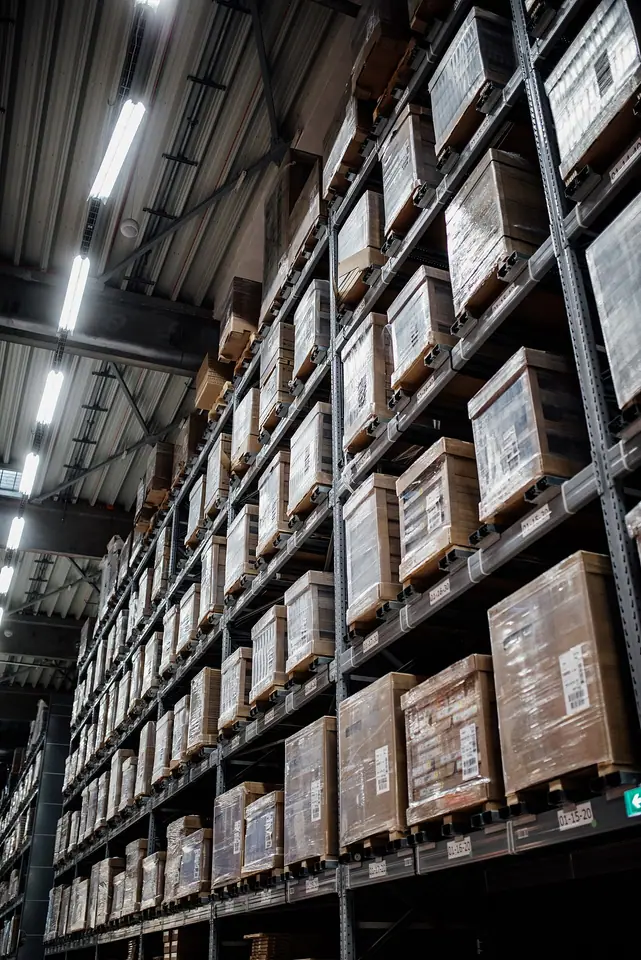
Decide what the new system must know on its first day.
Separate master data from opening balances, open transactions and history. Products, customers and suppliers identify the parties and items used in daily work. Stock and financial balances establish the opening position. Open orders, projects and service obligations explain work that is still unfinished.
Historic records may remain in an accessible archive where full migration has no operational value or cannot be reconciled responsibly. Agree the retention and retrieval requirement before choosing the boundary. Importing more data is not automatically a better outcome.
Assign a business owner to each data group.
The implementation team can map and load data, but source owners must resolve ambiguity and approve the result.
| Data group | Preparation task | Reconciliation evidence |
|---|---|---|
| Products and units | Remove duplicates and agree references, variants and conversions. | Representative items behave correctly in buying, stock and selling. |
| Customers and suppliers | Clean identities, contacts and commercial references. | The relevant open transactions connect to the correct partner. |
| Opening stock | Agree locations, quantities and required lot or serial identifiers. | Physical counts reconcile to the imported location balances. |
| Finance and open documents | Approve accounts, currencies and the cutover position. | Finance reconciles balances and the underlying outstanding documents. |
Preserve stable identifiers and relationships.
A migration needs a dependable way to connect records across files and to update them without creating duplicates. Agree source identifiers, field mappings and the treatment of missing or conflicting values. Test related records in a small sample before attempting the complete dataset.
Keep a controlled mapping record and an import log. If a product or customer is renamed during cleanup, the team should still be able to explain which source record it represents. This traceability is especially useful when investigating differences after a trial load.
Use trial imports to expose business questions early.
A trial should include ordinary records and difficult examples: duplicate references, a partially received purchase order, a returned item or a foreign-currency balance. Check not only whether the file imports but whether the resulting records support the intended workflow.
Odoo documents import and export facilities, including the need to handle large files appropriately. The exact loading method depends on the record types and scope. Successful import messages do not replace reconciliation by stock, operations and finance owners.
Agree a cutover plan that prevents duplicate activity.
The plan should make the transition understandable to staff in both systems.
- A cutoff date and the treatment of transactions in progress.
- The final source export, backup and responsible approvers.
- Restrictions on further entry in the old system during the agreed window.
- Final reconciliation and the criteria for allowing live operations.
- An exception and rollback decision process if the opening position is not acceptable.
Reconcile quantity, value and operational obligation separately.
A warehouse quantity can be correct while its valuation is wrong. A customer total can agree while the wrong invoices remain open. A project can exist while its remaining deliverables are missing. Each data group needs a check that reflects how the business will use it.
Record unresolved differences and their owners rather than hiding them in a general adjustment. Ever Digital can help plan a migration with evidence the business can review. Bring sample exports and a description of the source systems; sensitive production data can be handled through the agreed project process.
Questions businesses ask
Must all historic transactions be imported?
No. The scope should follow operational, financial and retention needs. A reliable archive plus reconciled opening records may be more appropriate than an unverified full-history import.
Will import tools clean inaccurate data automatically?
No. Duplicate identities, incorrect units and unexplained balances need business decisions. Tools can validate structure but cannot determine the intended truth of every source record.
Can we migrate from spreadsheets or another ERP?
The source structure, available exports, record relationships and required destination workflow must be assessed. A representative sample is needed before confirming the method and scope.
What proves the migration is ready?
Approved reconciliation of the relevant stock, finance, master data and open obligations, together with a tested cutover process and accountable owners for any exceptions.
Sources and factual scope
Capabilities checked against official Odoo documentation. These are planning examples, not promises that every feature is included in a Starter package.
- Odoo: export and import data
- Odoo: inventory counts
- Odoo Accounting documentation
- Odoo: multi-currency accounting
Reviewed:
Ever Digital
Bring your real workflow to the conversation.
Tell us how you sell, stock, deliver or service. We will identify the standard apps, decisions and any extensions your implementation needs.
View Starter packages Current implementation fees and included scope are maintained on the Starter package pages. Odoo licences, hosting and custom work are separate.